
How Play Therapy Helps When Bullying, Friendship Trouble or Low Self-Esteem Take Hold
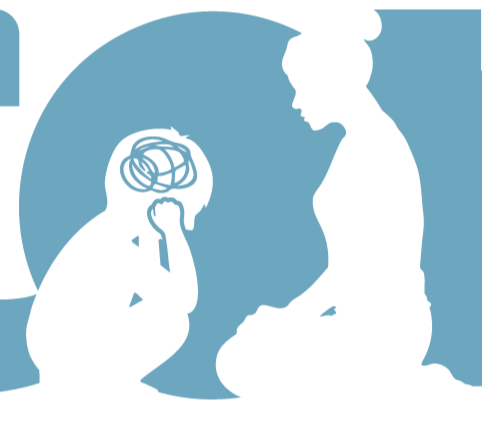
When friendships become difficult
Friendships can be one of the most important parts of childhood. Having someone to play with, talk to, laugh with and spend time with can help children feel connected and that they belong.
But friendships aren't always easy. Children can fall out with friends, feel left out, struggle to make connections or become worried about what other children think of them. Sometimes there may be a particular friendship that becomes difficult, while at other times a child may feel as though they don't fit in anywhere.
For some children, friendship difficulties can become much more serious when they experience bullying, exclusion or repeated rejection. What may begin as a problem with friendships can gradually affect how a child sees themselves.

They may begin to think:
When these thoughts begin to take hold, they can affect much more than friendships. They can influence a child's confidence, behaviour, emotional wellbeing and willingness to try new things.
Bullying isn't always easy to recognise
When we think about bullying, we might imagine a child being openly teased, threatened or physically hurt. However, children's experiences can be much more complicated, and bullying isn't always something that is immediately obvious to the adults around them.
Bullying can involve repeated unkind comments, exclusion, intimidation or behaviour that leaves a child feeling frightened, isolated or powerless. A child may know that something is happening but feel unsure about how to explain it or whether it is even something they should tell an adult about.
Children don't always tell adults when they are being bullied. They may worry that speaking up will make things worse, feel embarrassed about what has happened or be concerned about how others might react. Some children may also believe that nobody will understand or that they should be able to deal with it themselves.
Sometimes, the first indication that something is wrong is a change in behaviour rather than a child saying, "I'm being bullied."
Parents might notice that their child has become quieter or doesn't want to go to school. They may begin complaining of physical symptoms, become more anxious, lose interest in activities they previously enjoyed or become angry and irritable. Some children may withdraw from friendships or spend more time alone, while others may simply seem to have lost the confidence they once had.
These changes don't automatically mean that bullying is taking place. There can be many reasons why a child behaves differently. However, when something has changed, it can be helpful to become curious about what might be happening underneath the behaviour and to give the child opportunities to talk or communicate in a way that feels comfortable for them.
Friendship difficulties can hurt too
Not every friendship problem is bullying. As children grow, they naturally experience disagreements, misunderstandings and changes in their friendships. A child may find that a close friend suddenly starts spending more time with someone else, or they may feel excluded from a group they once felt part of.
Some children find social situations particularly difficult. They may struggle to understand the dynamics of friendships, find it hard to know how to join in or repeatedly experience difficulties when trying to form and maintain relationships.
For some children, these experiences can have a significant emotional impact. A child who repeatedly feels rejected may begin to expect rejection, even in situations where it hasn't happened. They may stop approaching other children because they are worried about being turned away, avoid social situations altogether or become very sensitive to what other people say.
Over time, a child may decide that it is safer not to try at all. Avoiding friendships can protect them from the possibility of being hurt again, but it can also leave them feeling increasingly isolated.
This is where friendship difficulties can begin to affect a child's confidence and their understanding of themselves.

Self-esteem is partly about how we see ourselves and the value we place on ourselves. For children, this understanding is still developing, and their experiences with the people around them can have an important influence on how they view themselves.
Repeated experiences of rejection, bullying or feeling that they don't belong can sometimes influence the way a child thinks about themselves.
Instead of thinking:
"That friendship didn't work out."
a child may begin to think:
"Nobody wants to be my friend."
Instead of:
"Someone said something unkind."
they may think:
"They said it because I'm horrible."
And instead of:
"I found that difficult."
they may think:
"I'm useless."
This is why it can be important to look beyond the immediate problem. The question isn't simply:
"How do we stop this friendship problem?"
It can also be:
"What is this experience making the child believe about themselves?"
Understanding this can help us respond to the emotional impact of what has happened, rather than focusing only on the behaviour we can see.
Children don't always have the words to explain what is happening
When we know that our child is struggling, our natural instinct is often to ask questions. We might ask what happened, why they didn't tell us, how something made them feel or why they don't try to make some new friends.
These questions usually come from a caring place, but they aren't always easy for a child to answer.
A child may not fully understand what they are feeling. They may feel embarrassed or ashamed, worry about saying something wrong or simply find talking about the experience too difficult.
This can be particularly true when a child has experienced something that has affected their sense of safety, belonging or confidence.
Sometimes not talking doesn't mean that nothing is happening. It may simply mean that the child hasn't yet found a way to communicate what they are experiencing.
Play can provide another way to communicate
Play is a natural part of childhood and one of the ways children explore the world around them. Through play, children can experiment with ideas, relationships and experiences without necessarily having to explain everything in words.
A child might create stories, imagine different characters, build worlds or act out situations they have experienced. They may repeat certain scenarios, change the way a story ends or create situations where they feel more in control.
For a child who is struggling with bullying, friendship difficulties or low self-esteem, this can provide another way to explore experiences that may feel too difficult to talk about directly.
They don't necessarily need to say, "I felt powerless when that happened." Instead, they may communicate something about their experience through the way they play. They might create a character who feels left out, explore themes of winning and losing or create stories about someone who is excluded and eventually finds a way to belong.
We don't need to assume that every aspect of a child's play has a hidden meaning. Rather, play gives children a familiar language through which they can explore their experiences and emotions.
For some children, this can make it easier to begin communicating feelings that they may struggle to express through conversation.

One of the important principles of Play Therapy is that sessions are child-led.
This means the child isn't expected to sit down and explain everything that has happened. They aren't required to answer a list of questions or find the "right" words to describe how they feel.
Instead, the therapist provides a safe and supportive therapeutic environment in which the child can choose how they want to use the session.
For some children, this might involve talking. For others, it might involve drawing, building, creating stories, imagining, role play or other forms of play. A child might explore particular themes repeatedly or simply spend time engaging in activities that feel comfortable and manageable.
And sometimes, a child may say very little.
That's okay.
The child can communicate in ways that feel more natural to them. As trust develops within the therapeutic relationship, they may gradually find that words become easier too, but they don't have to be the starting point.
A space where the child can have some control
Bullying and difficult friendships can leave children feeling that they don't have much control over what happens around them. They may feel that other children decide whether they are included, that they can't change what happens at school or that they don't know how to respond when something difficult happens.
Within Play Therapy, the child has an opportunity to make choices within a safe therapeutic environment. They can decide what they want to explore, how they want to play and whether they want to return to something they have explored before.
This doesn't mean that Play Therapy simply teaches a child how to "stand up for themselves". Instead, it provides a space where they can explore their experiences and emotions without being rushed or told what they should think or feel.
For a child who has experienced situations where they have felt powerless, having a safe environment in which their choices are respected can be meaningful. Over time, the therapeutic relationship can also provide opportunities for the child to develop a greater understanding of themselves and their experiences.
Building confidence doesn't mean telling a child to "be more confident"
When a child has low self-esteem, adults sometimes try to reassure them.
"You're brilliant."
"Don't worry about what other people think."
"Just be yourself."
"You have lots of friends."
These things may be well intentioned, but they don't necessarily change how a child feels inside.
If a child genuinely believes, "Nobody likes me," simply telling them, "Of course people like you," may not be enough to change that belief.
Children often need opportunities to experience themselves differently. They may need to feel heard and understood, explore difficult experiences and have opportunities to make choices and experience a sense of competence.
They may also benefit from having a safe relationship in which they can gradually develop trust and confidence without feeling that they have to prove themselves.
This is one reason a child-led approach can be valuable. The child isn't being told what they should feel or how they should behave. Instead, they are given space to explore what they actually feel and experience.
Sometimes behaviour is communicating something
A child who is struggling socially may not always look sad or withdrawn. Sometimes their difficulties may appear through anger, frustration, arguments, refusal to go to school or behaviour that seems difficult to understand.
They might push people away or appear uninterested in friendships. They might say, "I don't care," even when it seems clear that something is affecting them.
Sometimes this can be a way of protecting themselves. If a child expects to be rejected, deciding that they don't want friends may feel safer than risking another rejection.
This doesn't mean that every difficult behaviour has the same explanation. Children are individuals, and their circumstances are different.
However, behaviour can give adults something important to notice. Rather than asking only:
"How do we stop this behaviour?"
it can sometimes be helpful to ask:
"What might this child be communicating?"
Looking beyond the behaviour can sometimes help us understand what a child may be struggling to express.
Perhaps one of the most important things a child can experience when their confidence has been affected is a relationship in which they don't have to perform.
They don't have to be the popular child. They don't have to get everything right. They don't have to explain themselves perfectly or pretend that something doesn't bother them.
They can simply be themselves.
For some children, that can be an important starting point.
Through a child-led therapeutic relationship and the opportunities provided through play, children can begin to explore difficult experiences in a way that feels manageable for them.
And sometimes, when children feel safe enough to communicate without pressure, the words begin to come too.
If your child has experienced bullying, friendship difficulties or a noticeable loss of confidence, you don't necessarily need to know exactly what is wrong before looking for support.
Sometimes the starting point is simply noticing that something has changed.
Perhaps your child doesn't want to go to school. Perhaps they have stopped seeing friends. Perhaps they seem more anxious or withdrawn. Perhaps they are constantly putting themselves down. Or perhaps they simply don't seem like themselves.
There is no single response to these experiences, and every child's circumstances are different.
At Silent Stories, Play Therapy provides children and teenagers aged 3–18 with a child-led therapeutic space where they can explore their experiences at their own pace.
For children who find it difficult to talk about what is happening, play can provide another way to communicate.
They don't have to have all the words before they begin.
Sometimes, the first step isn't asking a child to explain what is wrong.
It is giving them a safe place where they can begin to show us.


Comments