
Adverse Childhood Experiences (ACEs): Understanding the Impact of Childhood Experiences and How to Support Your Child
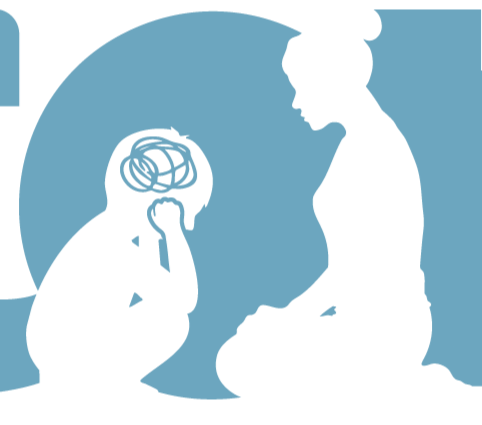
Childhood experiences can shape how children understand themselves, build relationships and respond to the world around them. While many children experience safe, happy and nurturing childhoods, others may face difficult or distressing experiences that affect how they feel, behave and develop. These experiences are often referred to as Adverse Childhood Experiences (ACEs).
Understanding ACEs can help parents and carers make sense of some of the difficulties children may experience as they grow up. It can also help us look beyond a child's behaviour and consider what they might be communicating through their actions, emotions and relationships. At Silent Stories, we recognise that children’s experiences can influence how they express their feelings, and that having a safe, supportive space can be an important part of helping them make sense of what they have been through.

What Are Adverse Childhood Experiences (ACEs)?
Adverse Childhood Experiences are potentially traumatic events or challenging circumstances that occur during childhood and adolescence, from birth up to the age of 18. They can include experiences within the family home, as well as situations that affect a child's sense of safety, stability and emotional wellbeing.
The original ACE framework identifies ten categories of adversity, grouped into three broad areas: abuse, neglect and household challenges. Abuse can include emotional, physical or sexual abuse. Neglect can involve a child's physical needs not being met or a lack of emotional care, attention and support. Household challenges may include experiencing violence between adults at home, living with a family member who has difficulties with substance use or mental health, parental separation or divorce, or having a household member who has been imprisoned.
These experiences can affect children in different ways. Some children may experience one particularly difficult event, while others may be exposed to several ongoing challenges. Adversity can also take forms that are not included in the original ten categories, such as bullying, bereavement, community violence or other experiences that leave a child feeling unsafe or overwhelmed.
It is important to remember that the ACE framework is not a complete measure of everything a child may experience. Every child's circumstances are different, and the impact of an experience depends on many factors, including the child's age, their relationships and the support available to them.
How Can Adverse Childhood Experiences Affect Children?
Children rely on the adults around them to help them feel safe, understand their emotions and learn how to manage difficult situations. When children experience ongoing stress, uncertainty or frightening events, they may find it harder to develop this sense of security.
Stress is a normal part of life, and a child's stress response can help them react to challenges. However, when stress is intense or prolonged, and a child does not have enough supportive relationships to help them feel safe, their stress response can remain activated for longer than is helpful. This is sometimes described as toxic stress.
Prolonged stress can affect a child's developing brain and their ability to manage emotions, respond to challenges and feel secure in relationships. This does not mean that every child who experiences adversity will develop difficulties, or that their development has been permanently damaged. Rather, it helps us understand why some children may need additional support when they have experienced prolonged or overwhelming stress.
A child who has lived with uncertainty or fear may become particularly alert to changes in their surroundings. They might find it difficult to relax, become upset when routines change or react strongly to situations that appear relatively minor to others. Another child may withdraw, become quiet or try to manage everything themselves because relying on other people feels difficult.
These responses can sometimes be misunderstood as challenging behaviour, defiance or a lack of cooperation. Looking at them in the context of a child's experiences can help adults respond with greater understanding and compassion.

What Signs Might a Child Show After Difficult Experiences?
There is no single way that children respond to adversity. Some may show obvious signs of distress, while others may appear to be coping well on the surface. Difficulties can also emerge some time after an experience, particularly when a child reaches a new developmental stage or encounters a situation that reminds them of something unsettling.
A child may become more anxious, experience difficulties sleeping, struggle with separation from a parent or carer, or find attending school increasingly difficult. They may become more irritable, have frequent emotional outbursts, struggle to concentrate or seem to find everyday demands overwhelming.
Some children may seek reassurance repeatedly, become very sensitive to perceived criticism or find it difficult to trust adults. Others may withdraw from friends, lose interest in activities they previously enjoyed or struggle to explain what is bothering them. Younger children may express distress through changes in play, clinginess, regression in previously developed skills or difficulties with routines. Teenagers may become more isolated, experience friendship difficulties or find it harder to manage pressure at school and in their relationships.
These signs do not necessarily mean that a child has experienced an ACE. Many different circumstances can contribute to changes in behaviour and emotional wellbeing. The important thing is to notice changes, consider what might be happening in the child's life and seek appropriate support if concerns persist.
Why Behaviour Can Be a Form of Communication
When children experience feelings that are difficult to understand or manage, they do not always have the words to explain what is happening inside them. This is particularly true for younger children, but older children and teenagers can also struggle to communicate distress.
A child who becomes angry may be feeling frightened, overwhelmed or unable to cope with a situation. A child who refuses to attend school may be experiencing anxiety, uncertainty or a need to feel safe. A child who pushes others away may be finding relationships difficult to navigate, even when they would like connection and reassurance.
This does not mean that every behaviour is caused by a difficult childhood experience, or that boundaries are not important. Children still need consistent guidance, predictable routines and adults who help them understand the impact of their actions. However, responding only to the behaviour without considering the feelings beneath it can mean that important needs go unnoticed.

Taking time to understand what may be driving a child's response can help parents and carers offer support that addresses both the behaviour and the underlying difficulty. Sometimes, the most useful question is not simply, "How do I stop this behaviour?" but also, "What might my child be finding difficult, and what could help them feel safer?"
Can Adverse Childhood Experiences Affect Children Later in Life?
Research has found associations between exposure to ACEs and an increased risk of certain physical and mental health difficulties later in life. These associations include depression, anxiety, some long-term physical health conditions and difficulties relating to substance use.
However, an increased risk is not a certainty. An ACE score cannot predict an individual's future, measure everything that has happened to them or tell us how well they will cope. Two children who experience similar circumstances may respond very differently, depending on their individual needs, relationships, environment and access to support.
It is also important not to focus only on the potential negative effects of adversity. Children are not defined by what has happened to them, and their early experiences do not determine their future. Supportive relationships, a sense of belonging, opportunities to develop confidence and access to appropriate help can all play an important role in promoting wellbeing and resilience.
Understanding ACEs is therefore not about labelling children or assuming they will experience problems later in life. It is about recognising that difficult experiences can have an impact and ensuring children receive understanding and support when they need it.
How Can Parents and Carers Support a Child Who Has Experienced Adversity?
One of the most valuable things adults can offer children is a consistent, caring relationship in which they feel safe, accepted and listened to. Children may not always be ready to talk about what has happened, and some may not fully understand their own feelings. They can still benefit from knowing that a trusted adult is available and willing to support them.
Predictable routines can help children feel more secure, particularly when other parts of their lives have felt uncertain. Explaining changes in advance, following through on promises where possible and responding calmly to distress can help build trust over time. When a child becomes overwhelmed, offering reassurance and helping them settle before trying to resolve a problem can be more helpful than expecting them to explain themselves immediately.
It can also be helpful to acknowledge a child's feelings without rushing to dismiss or fix them. Saying, "I can see this feels really difficult for you," or "I'm here when you're ready," can communicate that their feelings are welcome, even when the adult does not yet understand what has caused them.
Play, creative activities and shared experiences can provide opportunities for connection without placing pressure on a child to talk. Drawing together, playing a game, spending time outdoors or allowing a child to lead an activity can create moments of closeness and help them feel noticed and understood.
Parents and carers do not need to have all the answers. If a child's distress continues, begins to affect everyday life or feels difficult to manage at home or school, seeking support from an appropriate health or therapeutic professional can help the family understand the child's needs and consider what might be helpful.
How Can Play Therapy Support Children Who Have Experienced Adversity?
For some children, talking directly about difficult experiences can feel overwhelming or simply be beyond what they are ready to do. They may not have the words to explain their feelings, may find it difficult to trust others or may not yet understand why they are feeling the way they do.
Play Therapy offers a developmentally appropriate way for children to explore their experiences through play within a safe and supportive therapeutic relationship. Play is a natural way for children to communicate, experiment, express feelings and make sense of the world around them. Within Play Therapy, it can offer another route for children to explore experiences that may be difficult to put into words.
At Silent Stories, we provide child-led Play Therapy for children and young people aged 3 to 18. Sessions are shaped around the individual child, their developmental stage and their needs. Through access to a range of play and creative resources, children can explore feelings, experiences and relationships at their own pace, without being expected to explain everything verbally or talk about difficult events before they feel ready.

For a younger child, this may involve imaginative play, storytelling, drawing or exploring different toys and materials. Play can allow a child to express themes or feelings that are difficult to communicate directly. For an older child or teenager, the therapeutic approach may involve more conversation, creative activities or a combination of approaches, depending on what feels comfortable and appropriate for them. Teenagers are not expected to play if they would prefer to talk.

The therapeutic relationship is an important part of this process. Having a consistent space where a child feels listened to, accepted and not judged can help them gradually develop trust and explore their experiences in ways that feel manageable. The focus is on understanding the child and supporting their emotional needs, rather than asking them to disclose difficult experiences or directing them towards a particular outcome.
Play Therapy does not erase what has happened, and it is not a guarantee that every difficulty will resolve. However, for some children, it can provide valuable opportunities to express themselves, develop a greater understanding of their feelings and build confidence in managing their experiences. The suitability of Play Therapy depends on the individual child and the support they need.
Why Early Support Matters
When children are struggling, it can be tempting to wait and see whether things improve on their own. Sometimes difficulties do settle as circumstances change, but ongoing changes in mood, behaviour, relationships or school attendance may be a sign that a child needs additional support.
Seeking help does not mean that a parent has done something wrong or that a child has been permanently affected by their experiences. It is a way of recognising that something may be difficult for the child and taking steps to understand what they need.
Support can come from several places, including parents and carers, school staff, GPs and appropriate mental health or therapeutic services. The most suitable support will depend on the child's circumstances, the nature of their difficulties and whether there are any immediate safety concerns.
For families, the first step does not need to be having all the answers. It can simply be recognising that a child seems to be finding things difficult and exploring what support may be available.
Supporting Children Beyond Their Experiences
Adverse Childhood Experiences can help us understand how difficult events and circumstances may affect children's emotional wellbeing, relationships and development. However, the purpose of understanding ACEs is not to label children according to what they have experienced or to predict what their future will look like.
Children need opportunities to feel safe, build trusting relationships and develop ways of understanding and managing their emotions. With appropriate support, they can develop resilience and move forward without being defined by their past.
At Silent Stories, we recognise that every child has their own experiences, strengths and needs. Through child led Play Therapy, we offer children and young people aged 3 to 18 a safe, supportive space to explore what they may be finding difficult, at a pace that feels right for them.
If you have noticed changes in your child's behaviour or emotional wellbeing and are wondering whether they may benefit from additional support, you are welcome to find out more about how Silent Stories works with children, young people and their families.
Visit www.silentstories.co.uk to learn more about our services and how we may be able to support your family.


Comments