
When Should You Seek Support for Your Child? The Role of Early Intervention and Play Therapy
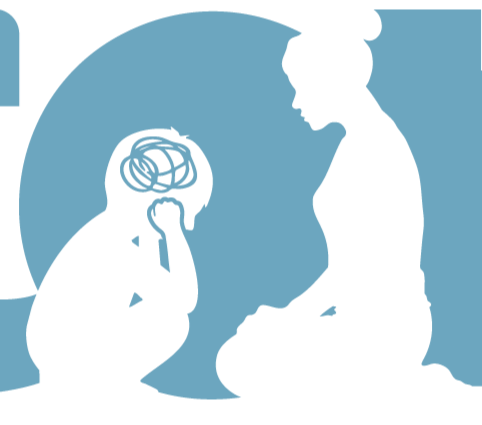
As a parent or carer, you may sometimes notice that something seems to be changing for your child. Perhaps they seem more worried than usual, have become quieter, more frustrated or emotional, or you have started to notice difficulties with school, friendships, sleep or their behaviour. Sometimes there is a clear reason for the change, while at other times it can be difficult to understand what is happening.

It can be tempting to wait and see if things settle on their own. Sometimes they do. Children go through different stages as they grow, and not every change in behaviour means that a child needs therapeutic support.
However, when a change continues, becomes more difficult to manage or begins to affect everyday life, it can be helpful to consider whether your child would benefit from some additional support. Early intervention can provide an opportunity to understand what may be happening and give a child somewhere safe to explore their experiences before difficulties become more established.
At Silent Stories, this is one of the reasons we provide child led Play Therapy for children and young people aged 3 to 18. The aim is not to wait until a child is struggling significantly before offering support, but to provide an appropriate therapeutic space when a parent or carer feels that something has changed and would like to understand it more fully.
What does early intervention mean?
Early intervention is about offering appropriate support when difficulties are beginning to emerge, rather than necessarily waiting until they become more established. For a child, this might mean having a safe space to explore worries, changes, relationships or emotions that they are finding difficult.
It can also provide an opportunity for children to develop greater confidence in expressing themselves, understanding their feelings and finding ways to manage experiences that feel overwhelming. At Silent Stories, Play Therapy can provide this kind of space while allowing the child to remain at the centre of the therapeutic process.
Early intervention does not mean that something is seriously wrong with a child. Sometimes it is simply about recognising that something feels different and giving a child an opportunity to explore what they are experiencing.
One of the reasons parents sometimes hesitate to seek support is the thought that their child's difficulties are not yet serious enough. You may wonder whether you are overreacting, whether things will improve on their own or whether seeking therapy means that something is seriously wrong.
Seeking support does not have to mean any of these things. Sometimes it is simply about noticing a change and becoming curious about what might be behind it.
A child who has suddenly become reluctant to go to school, for example, may be experiencing worries that they cannot explain. A child who becomes increasingly frustrated may be struggling with emotions they do not yet know how to express. A child who withdraws from friends may be finding something difficult within their relationships or social environment.
There can be many possible reasons behind a change, and it is not always possible to understand them simply by looking at the behaviour. At Silent Stories, Play Therapy provides an opportunity to look beyond what is happening on the surface and consider what a child may be experiencing underneath.
This does not mean assuming that every change in behaviour has a deeper problem behind it. Rather, it is about creating space to understand the individual child and what may be happening for them.
Children do not always have the words
Children do not always have the words to explain what they are feeling. This can be particularly true for younger children, who may not yet have the emotional vocabulary to describe their experiences. However, finding the right words can also be difficult for older children and teenagers, particularly when they are overwhelmed, embarrassed, worried about being judged or simply unsure how to explain what is happening.

This is one of the reasons Play Therapy can be valuable. A child does not have to sit down and explain everything that is wrong before they can receive support.
At Silent Stories, Play Therapy is child-led
. This means that the child is given time and space to engage in ways that feel appropriate and comfortable for them within a safe and supportive therapeutic relationship. There is no expectation that they need to talk about something before they are ready.
For some children, play and creative activities may provide an important way of expressing and exploring their experiences. For others, particularly older children and teenagers, talking may feel more natural and they may want an opportunity to discuss what is happening.
The important thing is that the child or young person is not expected to communicate in a particular way simply because that is how adults might prefer them to.
What role does play have in early intervention?
Play is a natural part of childhood, and it can provide children with a way of exploring experiences that may be difficult to talk about directly. Through play, children may explore relationships, emotions, worries, changes, fears or situations that they are trying to make sense of.
They may create stories, use imaginative play, engage with creative activities or return to particular themes. These experiences can provide another way for a child to communicate and explore what is happening for them.
At Silent Stories, play is not about expecting a child to perform or produce a particular outcome. Child-led Play Therapy gives the child the freedom to engage at their own pace within a safe therapeutic relationship.
This also means that adults do not need to try to interpret everything a child does during play. Play is simply one of the ways in which children can explore their experiences, while the therapeutic relationship provides a space for the child to feel heard and understood.
For some children, having this freedom can be particularly important because they are not being asked to find the right words or explain something before they are ready.
Play Therapy looks different at different ages
A three-year-old and a seventeen-year-old are naturally going to engage with therapy differently. The way a child communicates, plays, understands emotions and relates to other people changes as they grow, and therapeutic support needs to recognise those differences.
For a younger child, play may be a particularly important way of communicating and making sense of their experiences. They may use toys, creative activities, stories and imaginative play rather than having a direct conversation about what is worrying them.
As children grow, their communication and interests change. An older child may combine play and creative activities with conversation. They may want to talk about school, friendships, anxiety, family relationships or something that has happened to them, while still benefiting from having other ways of expressing themselves.
For teenagers, therapy may involve considerably more conversation. They may want somewhere they can talk openly with someone outside their family and have their experiences listened to without judgement. They may also choose to use creative activities or other forms of expression alongside conversation.
At Silent Stories, there is no expectation that teenagers need to play if they would rather talk. A child led approach means allowing the young person to engage in a way that feels appropriate for their age, development, personality and individual needs.
The role of Play Therapy is therefore not to make every child communicate through play. It is about providing children and young people with appropriate ways to communicate and explore their experiences, with play available as an important form of expression when it feels helpful.
Building confidence and resilience
Early support is not about trying to make sure a child never experiences difficult emotions. Worry, frustration, disappointment, sadness and uncertainty are all part of growing up.
Instead, therapeutic support can give children opportunities to develop a better understanding of their experiences and find ways of responding to difficulties. When a child has a safe space to explore what is happening, they may begin to feel more able to express what they need and develop greater confidence in communicating their feelings.

For some children, simply having their experiences listened to and taken seriously can be an important part of developing confidence. They may begin to recognise their emotions, explore choices and develop ways of navigating situations that they find difficult.
Over time, these experiences may contribute to a stronger sense of confidence and resilience. Resilience does not mean that a child will never struggle. It is not about expecting children to simply cope with whatever happens to them. Instead, it can involve developing the understanding, relationships and coping resources that can help them navigate challenges when they arise.
At Silent Stories, the therapeutic relationship is an important part of this process. Children are given the opportunity to be themselves, explore their experiences and develop at their own pace rather than feeling that they need to have everything worked out before they receive support.
There is no single sign that tells a parent when therapy is needed. You may simply have a feeling that something has changed.
Perhaps your child seems more anxious or worried, is becoming increasingly withdrawn, is struggling with school or friendships, is finding changes particularly difficult or is experiencing more emotional outbursts. You may notice that they seem less confident than they were, are experiencing changes in their sleep, are avoiding activities they previously enjoyed or are finding it difficult to explain what is happening.
These changes do not automatically mean that a child needs therapy. Children can experience difficult periods for many different reasons, and sometimes they settle with time, reassurance and support from the people around them.
However, if a change continues, becomes more frequent or begins to affect your child's everyday life, it may be worth exploring what support is available. Speaking to someone does not commit you or your child to therapy. It can simply be an opportunity to understand what might be happening and consider whether additional support could be helpful.
At Silent Stories, parents and carers are welcome to have an informal conversation about their concerns before deciding whether Play Therapy feels appropriate for their child.
Early intervention does not mean labelling a child
Seeking therapeutic support does not mean that a child needs to be given a label or diagnosis. Sometimes parents simply want to understand what is happening and give their child a safe opportunity to explore it.
At Silent Stories, the focus is on the individual child rather than simply on a list of behaviours or difficulties. Every child has their own personality, experiences, strengths and ways of communicating. What is helpful for one child may not be helpful for another.
A child-led approach allows the therapeutic process to develop around the individual child rather than expecting every child to respond in the same way.
This is particularly important when thinking about early intervention. The aim is not to decide immediately what is wrong, but to create an opportunity to understand what the child may be experiencing and consider what could support them.
At Silent Stories, we provide a safe, supportive and child-led therapeutic space for children and young people aged 3 to 18 across Inverclyde, Renfrewshire, West Dunbartonshire, East Dunbartonshire, Glasgow and surrounding areas.
Play Therapy can provide children with another way to communicate and explore their experiences when talking feels difficult. For younger children, this may happen largely through play, imaginative activities and creative expression. As children grow, the way they engage with therapy can change, and sessions may include a combination of play, creative approaches and conversation.
For teenagers, there may be a greater emphasis on talking and having a space where they can discuss their experiences openly. They may still find creative activities or other forms of expression helpful, but there is no expectation that they need to play simply because the service is called Play Therapy.
The starting point is always the individual child or young person and what feels appropriate for them.
There is also no expectation that a child has to talk before they are ready. Sometimes play can provide another way to communicate when words are difficult. Sometimes a child will want to talk. Sometimes they may use a combination of both. The therapeutic space allows that process to develop naturally.
If you have noticed a change in your child and are wondering whether some additional support might be helpful, you do not need to wait until things become overwhelming before asking for information. Early intervention is not about assuming that something is wrong. It can simply be about giving a child somewhere safe to begin exploring what they are experiencing.
At Silent Stories, we are happy to have an informal conversation with parents and carers who are unsure whether Play Therapy is appropriate for their child. You do not need to have all the answers before getting in touch.
🌿 Silent Stories supports children and young people aged 3 to 18 across Inverclyde, Renfrewshire, West Dunbartonshire, East Dunbartonshire, Glasgow and surrounding areas.
Find out more about Play Therapy:
Or get in touch:


Comments