
Understanding Anger in Children: A Guide for Parents
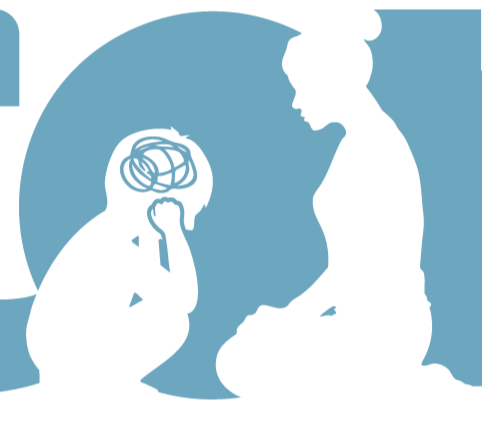
Updated: Jul 24
Children may express anger when they feel:
Overwhelmed or overstimulated
Anxious or worried
Frustrated and unable to communicate
Affected by changes at home or school

Anger is often a child’s way of expressing emotions they don’t yet have the words for. Recognising these triggers can help you respond more effectively.
What You Can Do When Your Child Has an Outburst
In the moment, it can help to:
Stay calm and present
Focus on helping your child feel safe
Avoid punishment during emotional overwhelm
Come back to talk once they are settled
Looking for patterns over time can also help you understand what your child may be trying to communicate. This understanding can foster a deeper connection between you and your child.
The Importance of Emotional Awareness
Emotional awareness is crucial for children. It helps them recognise their feelings and understand their reactions. When children learn to identify their emotions, they can express themselves more clearly. This can reduce the frequency and intensity of anger outbursts.
Play therapy offers a safe and supportive space where children can explore and express difficult feelings. Through play therapy in Inverclyde, Renfrewshire, Dumbartonshire, and Glasgow, children use play and creativity to process what is happening internally, without pressure to explain it in words.
Over time, this can help children develop:
Emotional awareness
Safer ways to express feelings
Greater regulation
Play therapy is a gentle approach that allows children to communicate in a way that feels natural to them.
Play Therapy in Inverclyde, Renfrewshire, Dumbartonshire & Glasgow
If you’re looking for support with anger outbursts in children, Silent Stories offers play therapy in Inverclyde, Greenock, and across surrounding areas. Our trained professionals are dedicated to helping children express their emotions and build resilience in a nurturing environment.
When to Seek Support
If your child’s anger feels frequent, intense, or difficult to manage, it may be helpful to explore additional support. Seeking help is a positive step towards understanding and addressing your child’s emotional needs.
Get in touch with us today at www.silentstories.co.uk to explore how play therapy could help. We are here to support you and your child through this journey.
Building Resilience in Children
Resilience is the ability to bounce back from challenges. It is essential for children to develop this skill as they navigate their emotions. Encouraging resilience can involve:
Teaching problem-solving skills
Fostering a growth mindset
Providing a supportive environment
By nurturing resilience, you help your child face difficulties with confidence.
Conclusion
Understanding and managing anger in children can be challenging. However, with the right tools and support, it is possible to help them navigate their emotions. Remember, you are not alone in this journey. Play therapy can provide the guidance and support needed for both you and your child. Together, we can create a safe space for emotional expression and growth.
How Silent Stories Can Help
If your child is finding it difficult to manage emotions, relationships or behaviour, Silent Stories offers Play Therapy, Filial Therapy and family support across Inverclyde, Renfrewshire, West Dunbartonshire and the surrounding areas:
Please reach out today for an informal discussion on how we can support -

Comments