
When Routines Change: Supporting Children Through the October School Holidays
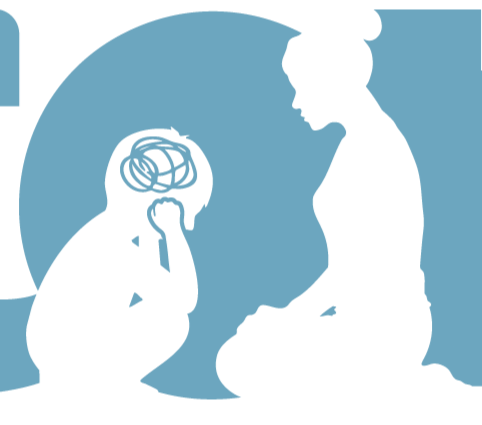
For many children, the October school holidays are something to look forward to. There is a break from the school routine, more time at home and perhaps opportunities to see family, spend time with friends or enjoy activities that there isn't always time for during term time.
But while a change of routine can be exciting, it can also be difficult for some children.

The transition from school days to holiday time, and then back into school again, can bring a mixture of emotions. A child may be excited about having time away from school but also find the change in routine unsettling. They may become more emotional, frustrated or tired, particularly when their usual structure and expectations change.
For some children, the challenge isn't necessarily the holiday itself. It is the transition between what they know and what is changing.
Why can transitions be difficult for children?
Children often find comfort in knowing what is going to happen next. School provides a familiar structure, with regular times for getting up, attending class, having breaks and returning home.
When the holidays arrive, that structure can suddenly look very different.
Bedtimes may change, meals may happen at different times, and plans can vary from one day to the next. There may be more visitors, day trips, busy environments or changes to who is around them, be it fewer or more people. Even positive experiences can require children to process more change than usual.
For some children, particularly those who find uncertainty or changes in routine difficult, this can feel overwhelming.
The return back to school also brings yet another transition. A child may have enjoyed the freedom of the holidays but then find it difficult to adjust to school expectations again. Others may begin worrying about returning to school several days before the holiday has even finished.
What might you notice?
Children don't always tell us directly that a transition is difficult for them. Instead, their feelings may show up through their behaviour.
You might notice that your child becomes more irritable, emotional or withdrawn. They may seem unusually tired, become frustrated by things that would normally not bother them, or find it harder to manage everyday requests.

Some children may become particularly worried about what is happening next and repeatedly ask questions about plans. Others may appear to resist changes altogether, becoming upset when plans change or when they are asked to move from one activity to another.
These responses don't necessarily mean that something is wrong. Transitions can be challenging for many children, and children respond to change in different ways.
The important thing is to become curious about what might be happening underneath the behaviour.
Preparing children for change
One of the most helpful things adults can do is give children as much predictability as possible while recognising that holidays also need room for flexibility.
Talking about what the holiday will look like can help. Depending on the child's age, this might involve looking at a calendar together, talking through plans for the week or simply letting them know what is likely to happen the following day.
It can also be helpful to avoid filling every day with activities. Children may need time to slow down and process the change from their normal routine.
For some children, having familiar parts of their routine continue during the holidays can provide a sense of security. This doesn't mean that everything has to stay exactly the same. Sometimes small anchors, such as a familiar bedtime routine, a regular mealtime or some quiet time each day, can make a difference.
Giving children space for their feelings
It can be tempting to reassure a child quickly when they are worried about a change.
We might say, "Don't worry" or " It will be fine"
These responses usually come from a place of care, but sometimes children need us to acknowledge the feeling before trying to make it disappear.
Saying something like, "I can see that you're not sure about what's going to happen," or "It feels like something is making you a little worried," can give a child permission to experience their feelings without feeling that they need to hide them.
Children don't always need an immediate solution. Sometimes they need an adult who is willing to sit alongside them while they work out what they are feeling.
The role of Play Therapy in transitions
Play can be particularly valuable when children are experiencing change.
Children naturally use play to make sense of the world around them. They may unconsciously and consciously recreate experiences through imaginative play, act out situations they have encountered, repeat particular scenarios or create stories that reflect something happening in their lives.
This can allow the Play Therapist to notice what matters to the child without requiring them to sit down and explain everything.
This is also one of the foundations of non-directive child-centred Play Therapy.
Rather than expecting a child to explain what is troubling them, non-directive Play Therapy provides a safe and supportive environment where they can communicate verbally and non-verbally and explore their experiences through play, creativity and the therapeutic relationship.

For children and teenagers, this may be particularly important because they may not have the words to describe complex emotions. They may benefit from having a space where they don't have to talk about everything.
Supporting children through the transition back to school
The end of the October holidays can bring another change.
Some children will be eager to return to school and see their friends, while others may become increasingly worried as the first day approaches.
If your child finds transitions difficult, it can help to begin gently reintroducing some familiar routines before school starts again. This might include gradually returning to usual sleep patterns, preparing school items together or talking about what the first day back is likely to look like.
It can also be helpful to leave space for your child's feelings rather than assuming that they should be excited or ready to return.
A child can enjoy their holiday and still feel worried about going back to school.
Both things can be true.
When transitions become a bigger concern
For many children, some emotional ups and downs around the holidays will settle as they adjust to the change.
However, if you notice that transitions are consistently causing significant distress, or that changes in routine are affecting your child's school attendance, relationships, confidence or everyday life, it may be worth considering whether they need some additional support.

You don't need to wait until things reach a crisis point before asking for help.
Sometimes early support can give a child an opportunity to explore what they are experiencing before those difficulties become more established.
How Silent Stories can help
At Silent Stories, Play Therapy provides children and young people aged 3 to 18 with a safe, supportive and child-centred space to explore experiences that may be difficult to express.
Transitions can be explored in ways that are appropriate to the individual child and their stage of development. For some children, this may happen primarily through play and creative expression. For other children, it may involve a combination of play, therapeutic activities plus verbal and non-verbal communication. Each child uses the safe relationship, safe space and variety of materials in the way that they choose.
Most importantly in Play Therapy, there is no expectation that a child has to arrive knowing exactly what is troubling them or explain how they are feeling.
The therapeutic process provides them with time and space to explore their experiences at their own pace, while developing greater understanding of their emotions and ways of managing difficult experiences.
If the October holidays are bringing changes that you are finding difficult to understand, you don't have to have all the answers before reaching out.
Sometimes the first step is simply becoming curious about what the child may be experiencing beneath the behaviour.
🌿 Silent Stories supports children and young people aged 3–18 across Inverclyde, Renfrewshire, West Dunbartonshire, East Dunbartonshire, South Glasgow and surrounding areas.
Find out more about Play Therapy:
Or get in touch with Silent Stories:


Comments